
The History
Where It All Began..
The World Wars significantly influenced society’s perceptions and treatment of individuals with physical impairments. Prior to these conflicts, people with disabilities were often viewed as burdens on society. However, as large numbers of war veterans returned home with physical injuries and psychological challenges, governments and communities were compelled to develop new rehabilitation and support programmes to facilitate their reintegration into society. Traditional approaches proved inadequate in addressing the complex needs of these returning servicemen and women.
In September 1943, the British Government appointed Professor Sir Ludwig Guttmann as Director of the National Spinal Injuries Centre at Stoke Mandeville Hospital in Aylesbury. He accepted the appointment on the condition that he would have complete professional autonomy and be free to implement his pioneering philosophy and approach to patient care.
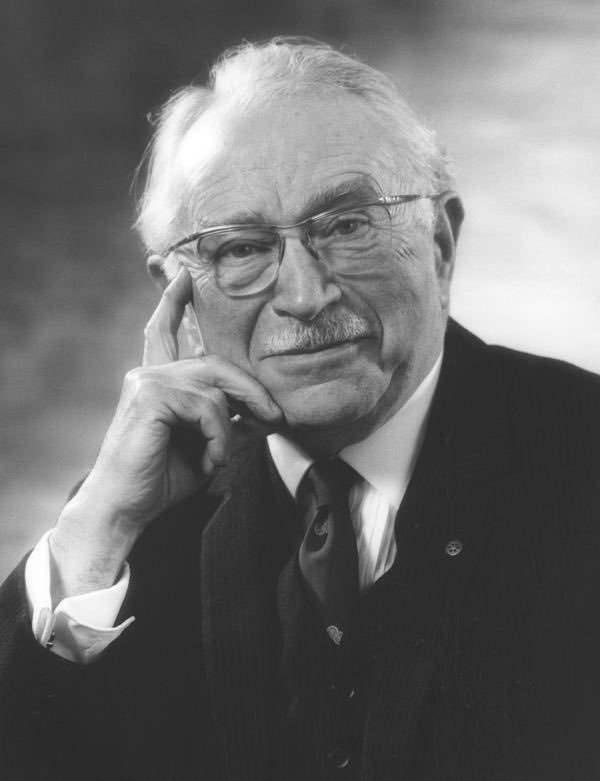
Physical training and sport played a pivotal role in the Jewish revival movement that emerged in the late nineteenth century. Beyond symbolising a renewed sense of Jewish identity and self-confidence, sport also served as a means of fostering integration within broader non-Jewish society. It is reasonable to assume that Sir Ludwig Guttmann’s early involvement in sporting activities in Germany, particularly through his participation in a Jewish fraternity, significantly influenced his later incorporation of sport into rehabilitation programmes for patients with spinal cord injuries. Guttmann viewed sport as a powerful tool for recovery and social reintegration, helping individuals regain independence and return to a fulfilling, active life. In a society such as Great Britain, where sport occupied a central place in social and cultural life, its inclusion in rehabilitation was both practical and transformative.
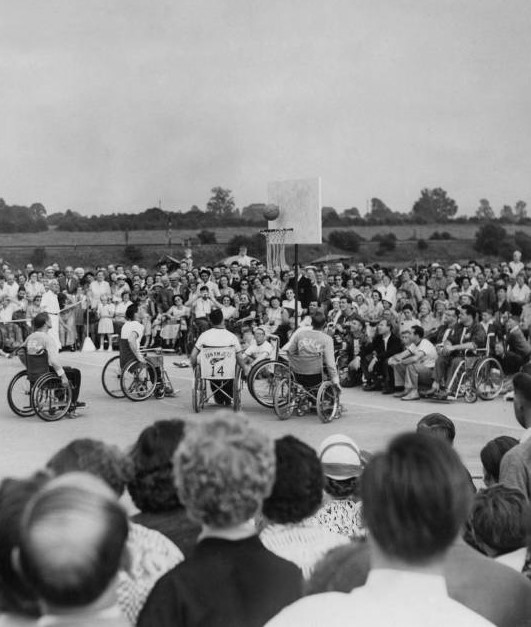
The team games introduced by Sir Ludwig Guttmann as part of the rehabilitation programme soon evolved into organised sporting activities for men, women, and children following their discharge from the National Spinal Injuries Centre. Participation rapidly expanded, attracting former patients from spinal injury units across Great Britain.
This growing interest gave rise to a sporting movement that became known as the Stoke Mandeville Games. The inaugural Games were held on 28 July 1948, featuring 14 ex-servicemen and two ex-servicewomen competing in archery on the hospital grounds. Significantly, the event took place on the same day as the opening of the London Olympic Games—a deliberate decision reflecting Guttmann’s vision of elevating disability sport onto a broader international stage.
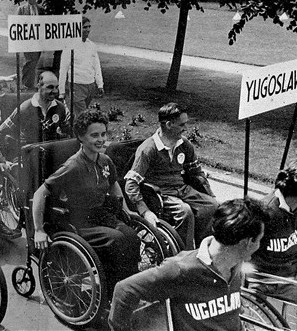
The Stoke Mandeville Games became an annual event and continued to gain momentum. In 1952, a team of Dutch paraplegic war veterans travelled across the English Channel to compete alongside their British counterparts, marking the first international competition for athletes with disabilities and laying the foundation for what would eventually become the global Paralympic Movement.
The designation “Paralympic Games” was formally recognised by the International Olympic Committee (IOC) in 1984. A decision was later made that the Paralympic Games should be conducted in the same host nation as the Olympic Games. This concept was first realised in Rome in 1960, where 350 athletes with disabilities representing 24 countries competed shortly after the conclusion of the Olympic Games.
At the 1964 Tokyo Paralympic Games, Mexican delegates attended as observers in preparation for hosting the subsequent Games in conjunction with the 1968 Mexico City Olympic Games. Nevertheless, the Mexican government unexpectedly withdrew from its hosting commitment in 1966, citing technical difficulties that prevented the organisation of the Paralympic Games in Mexico City.
Questions?
Any questions you may have.